

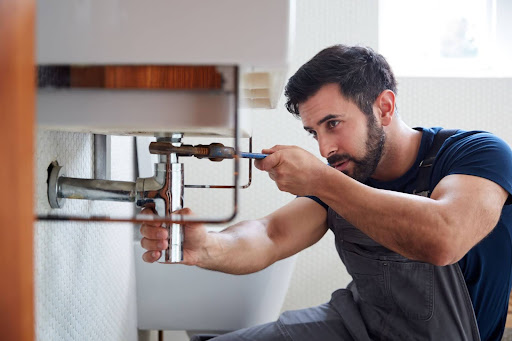
Have you noticed a drop in water pressure, discolored water, or persistent leaks? These could be signs that it’s time to replace the pipes before a major problem, like a burst pipe. Replacing your home’s plumbing is a significant undertaking, but with the right information, you can navigate this process smoothly. Luckily, Big Brothers Home Services is here to equip you with the knowledge to make informed decisions for a successful pipe replacement project.
Benefits of Replacing Old Pipes Before Problems
If you wait too long to replace your pipes, you risk a costly emergency. Old pipes can leak or completely burst, leading to water damage, mold and mildew growth, and even structural issues and electrical hazards.
Proactive homeowners replace their pipes when they see the warning signs: frequent leaks, rust-colored water, low water pressure, and unusual banging or clanging sounds. And if your home was built before the 1980s, it’s likely time for an inspection to reveal outdated plumbing materials and age-related damage.
After a pipe replacement, you’ll enjoy peace of mind, improved water quality, and possibly even lower water bills in the long term.
Understanding Your Pipes
Before undertaking a major plumbing project, you must assess the condition of your existing pipes and determine the best materials for your plumbing system. Homes with old galvanized steel pipes or lead pipes, for instance, may face risks to drinking water quality or frequent plumbing emergencies, like burst pipes. Here’s why professional assessment and replacement are vital:
- Professional Plumber Insight: A professional plumber can evaluate your plumbing system, including exposed pipes and plumbing fixtures, to determine the full extent of the pipe replacement needed.
- Material Choices: Older plumbing lines can be replaced with safer, more durable materials such as copper or PEX pipes. Each offers unique benefits in terms of durability, cost, and ease of installation.
- Cost Efficiency: Understanding how much it costs to replace pipes, for both materials and labor, can help you budget effectively. This potentially saves money in the long run by avoiding future issues.
Pipe Material and Replacement Difficulty
When considering replacing plumbing pipes, the type of pipe material significantly affects the project’s difficulty. Different materials vary in their ease of installation, durability, and compatibility with existing pipes, making some choices better suited for certain homes than others.
As a leading Salt Lake City plumbing company, Big Brothers Home Services has extensive experience working with a variety of pipe materials, from traditional metals to modern alternatives. Here’s how different materials can affect the replacement process.
- Galvanized Pipes: Often found in older homes, galvanized pipes are prone to corrosion and buildup, which can complicate replacements. They require careful removal and may need complete replacement with more modern materials.
- Copper Pipes: Copper pipes are known for durability and reliability, and they’re easier to work with. However, soldering copper pipes requires skill, so professional installation is recommended.
- PVC Pipes: PVC pipes can be easily cut with a saw and joined with solvent cement, which requires precise application. They’re lightweight yet rigid, which can be slightly cumbersome in tight spaces.
- PEX Pipes: Extremely flexible and light, PEX pipes are easy to maneuver even in complex layouts. They are simple to cut with basic tools and can be joined using crimp, clamp, or push-fit connections, without the need for gluing or welding.
Understanding the specific challenges and requirements of each pipe material can help your plumbing replacement project go smoothly and improve your plumbing’s efficiency.
Existing Pipes Compatibility
When replacing parts of a plumbing system, compatibility with existing pipes must be considered. Mismatched materials can lead to corrosion or inefficiency, requiring expert guidance from a professional plumbing company.
Copper Pipes: A Reliable Choice
Copper piping remains a popular choice due to its reliability and the value it adds to your water supply system. Here’s what makes copper pipes stand out:
- Durability: Copper is highly corrosion-resistant and can last for decades, making it a solid investment for your plumbing system.
- Water Quality: Unlike galvanized steel pipes, copper pipes do not impart any taste or odor to drinking water, ensuring the purity of your water supply.
Lead Pipes: Immediate Replacement Needed
Lead pipes pose serious health risks, particularly in older homes. If your plumbing inspection reveals lead piping, immediate replacement is necessary:
- Health Risks: Lead can leach into drinking water, posing serious health hazards, especially to children.
- Regulatory Compliance: Replacing lead pipes is necessary to comply with local health and safety regulations.
Can I Do Pipe Replacement Myself, or Should I Hire a Professional?
It’s best to leave this project to the professionals due to its complexity, the specialized knowledge required, and the high risk of complications and significant damage to your home’s surrounding plumbing. While some homeowners might consider DIY pipe replacement, especially for small sections or minor repairs, major plumbing work requires professional expertise.
- Complexity of the Task: Replacing plumbing pipes often involves navigating through walls and floors, requiring precise cutting, fitting, and welding, which are best handled by professionals.
- Risk of Complications: Old pipes may crumble or break during replacement, increasing the project’s complexity. Particularly in older plumbing systems, materials such as cast iron, galvanized steel, or even early plastic pipes can be brittle or heavily corroded, posing potential complications during removal. This makes the task more labor-intensive and heightens the risk of additional damage.
- Knowledge Required: Navigating these older systems requires knowledge of piping materials and techniques used in past decades.
- Safety and Efficiency: Professional plumbers do the job safely and efficiently with minimal disruption to your daily life.
- Long-Term Peace of Mind: Professional installations come with warranties and the assurance that your plumbing meets industry standards.
A professional pipe replacement service helps avoid potential pitfalls and ensures that any underlying issues are addressed, which is essential for maintaining the integrity and safety of your plumbing infrastructure.
Contact Big Brothers Home Services for Pipe Replacement in Salt Lake City
If you’re in Salt Lake City, UT, or the surrounding areas and think you might need to replace your plumbing pipes, don’t hesitate to contact Big Brothers Home Services. Our team is equipped to handle everything from your current plumbing fixtures to future plumbing repairs, using the latest materials like copper or PEX pipes.
We also offer emergency plumbing services for urgent situations, like burst pipes or severe leaks. Let us help you uphold the integrity of your plumbing system while enhancing your home’s functionality and safety. Reach out today to schedule a consultation or to learn more about our comprehensive plumbing services!
Frequently Asked Questions
Does homeowners’ insurance cover pipe replacement?
It depends on the cause. Sudden damage is typically covered, but gradual wear and tear usually isn’t. Big Brothers can provide documentation to support your claim if needed.
How much does it cost to replace pipes?
Nationally, a home pipe replacement costs run from $372 to $2,131 according to data from Angi. In the Salt Lake City, UT, area, prices are a little higher, ranging from $482 to $2,945. The total cost depends on the pipe material, pipe length, project complexity, permits needed, pipe removal and disposal fees, and labor costs.
Do green copper pipes need to be replaced?
Not necessarily. Often, the green substance is patina, a harmless oxidation that occurs over time. But sometimes the green color can signal a leak or excess soldering flux from when the pipe was installed. If you see corrosion, cracks, dripping, or are experiencing water supply issues, it’s time to call a licensed plumber.
How do I know if I need pipe replacement instead of a repair?
If you’re experiencing recurring leaks, low water pressure, rusty water, or repeated drain backups, it’s time to replace your pipe. Full replacement can be more cost-effective than continued repairs, especially in older Salt Lake City homes built in the 70s and 80s.
How long does pipe replacement take?
Most residential water or sewer line replacements take 1-2 days. Larger, more complex projects can take a few days depending on depth, access, and permitting.
What types of pipes are used for replacement in Utah homes?
We recommend PEX for water lines and PVC or HDPE for sewer lines. These pipes are durable, corrosion-resistant, and well-suited for our soil and climate in Utah.
Should I repipe my whole home if it was built in the 1970s or 1980s?
Not necessarily. But if you’re experiencing multiple plumbing problems, a whole-home repipe can save money in the long run compared to ongoing repairs.